Photo Credit: Chowan Herald
History Preserved and Restored
A downtown Edenton, NC landmark since 1949, preserved and reimagined for its next chapter.
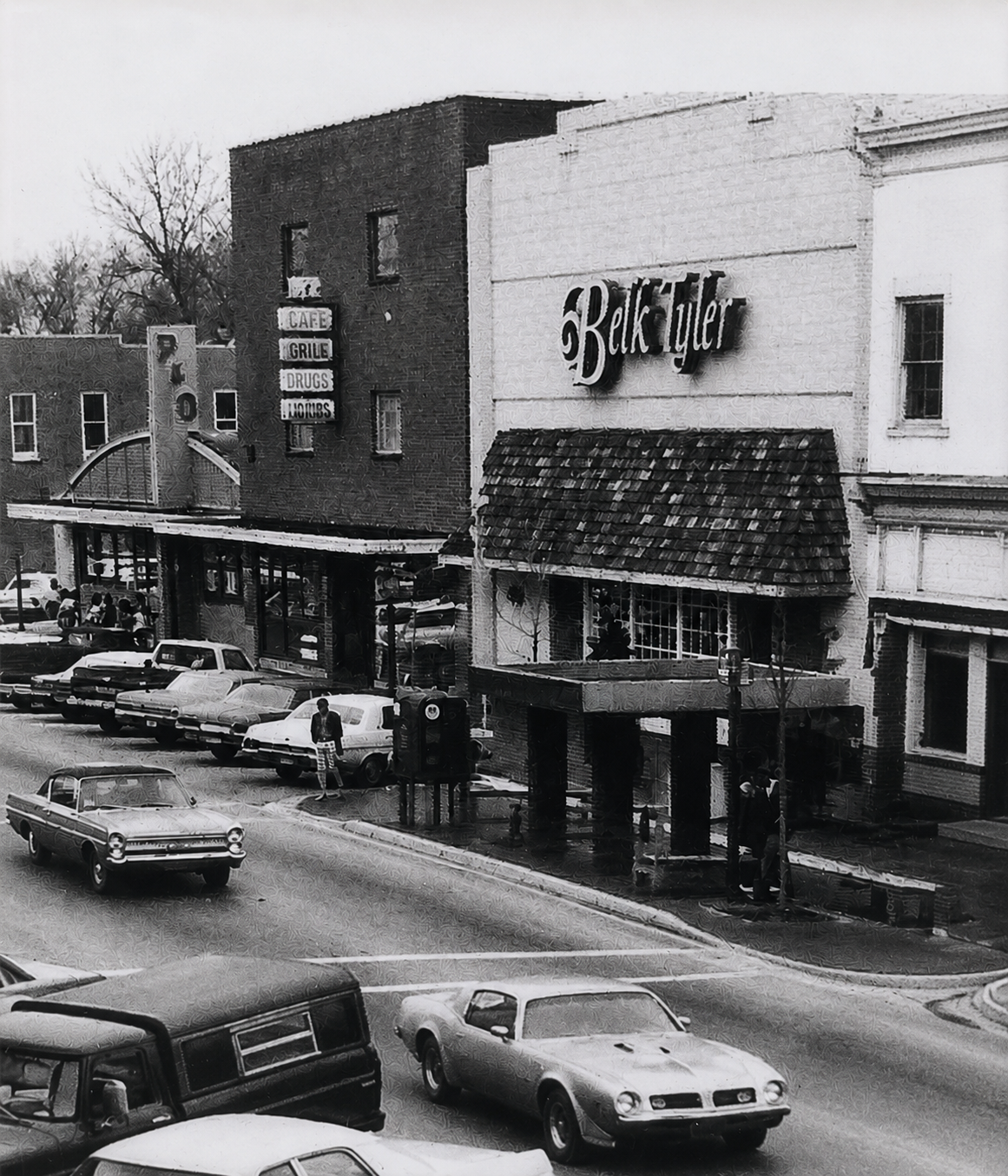
Rooted in Edenton History
Originally constructed in 1949 as a Belk–Tyler department store, the building became a familiar part of downtown Edenton. For generations, its storefront and sales floors were woven into the everyday rhythm of Broad Street.
As retail changed, so did the building. After decades of serving shoppers under different names, the former department store eventually became underused—but its prominent location, scale, and history remained.
Edenton Commons begins with preserving that history rather than replacing it.
Preserving What Matters
Transforming an almost 80-year-old commercial building requires more than simply making it new. The goal is to preserve the character that makes the building recognizable while adapting it for a completely different way of being used. The rehabilitation of Edenton Commons balances historic preservation with the practical needs of a modern gathering place—allowing the building to continue serving downtown Edenton rather than becoming a relic of its past.
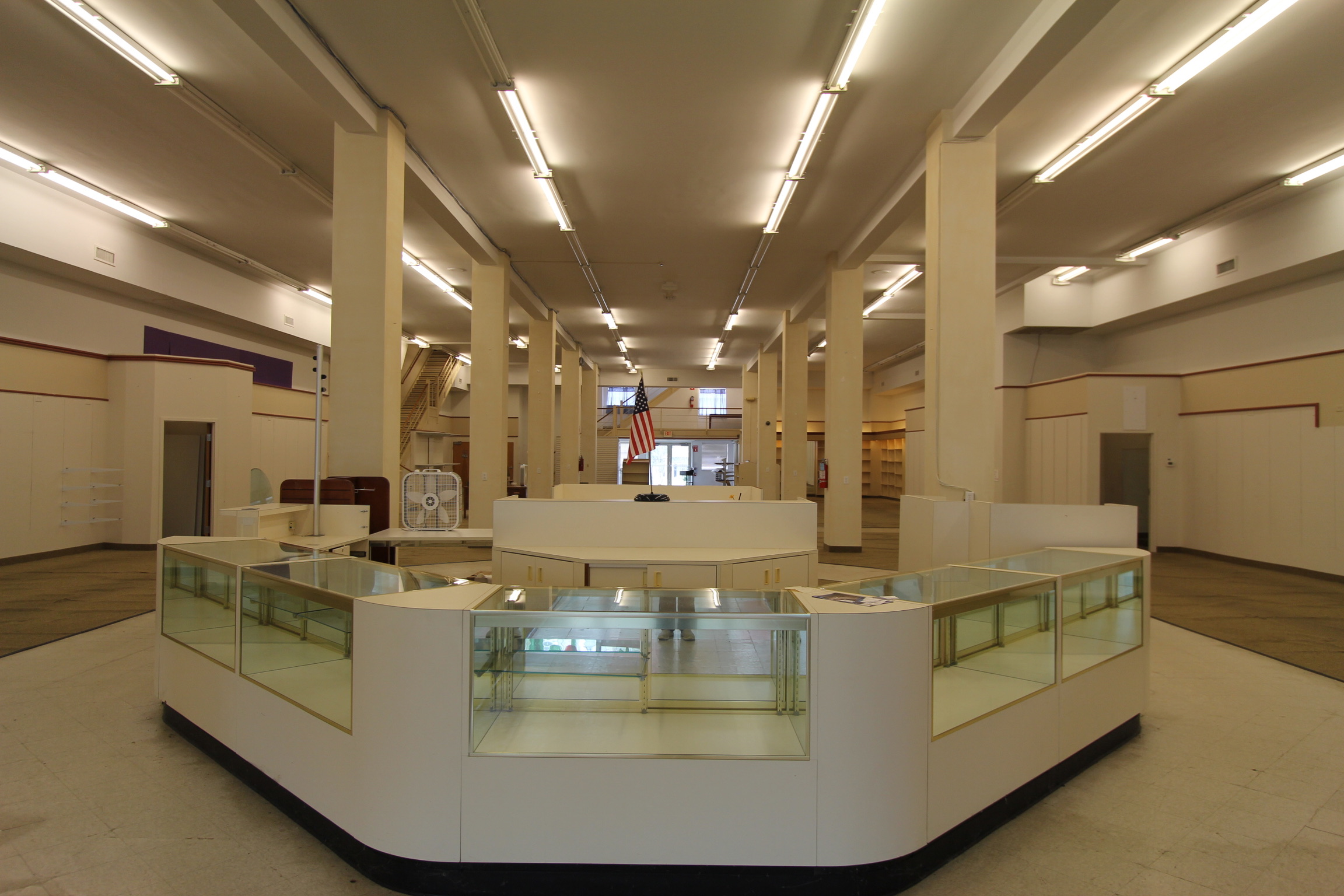
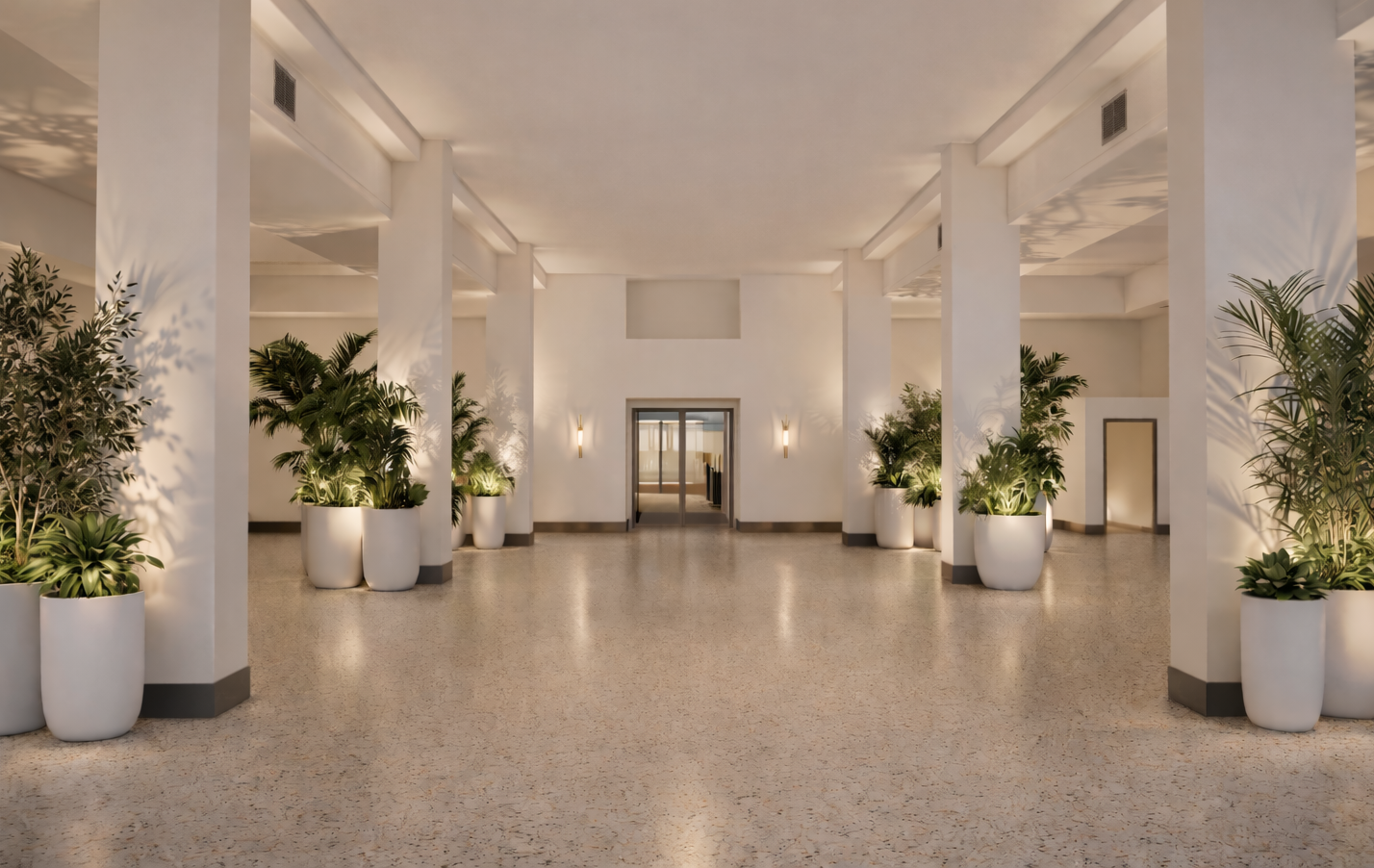
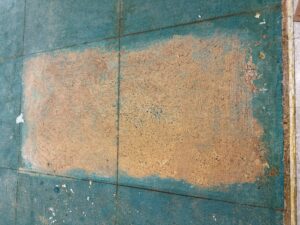
Original terrazzo flooring is being preserved and restored wherever possible, retaining a durable material that has been part of the building for generations.
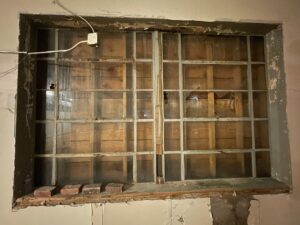
Original window openings and surviving historic elements are being retained and repaired where feasible, preserving the building’s architectural character while improving performance.
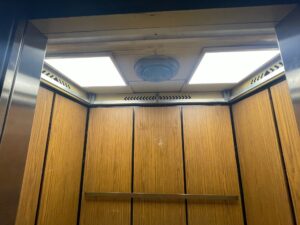
The building’s existing elevator is being incorporated into the renovation, preserving an important original feature while updating it to support modern accessibility and use.
Restoring the Details
Modernized for Today
A department store built in 1949 was designed for a very different use than Edenton Commons today. Converting open retail floors into spaces for events, entertainment, meetings, and hospitality requires modern life-safety systems, upgraded mechanical and electrical infrastructure, improved accessibility, and contemporary security—all while preserving the historic character of the building.
Life Safety — Modern fire detection, notification, emergency egress, and other safety improvements.
Building Systems — Updated mechanical, electrical, lighting, and infrastructure for modern use.
Security & Access — Modern security and access control integrated with historic features.